
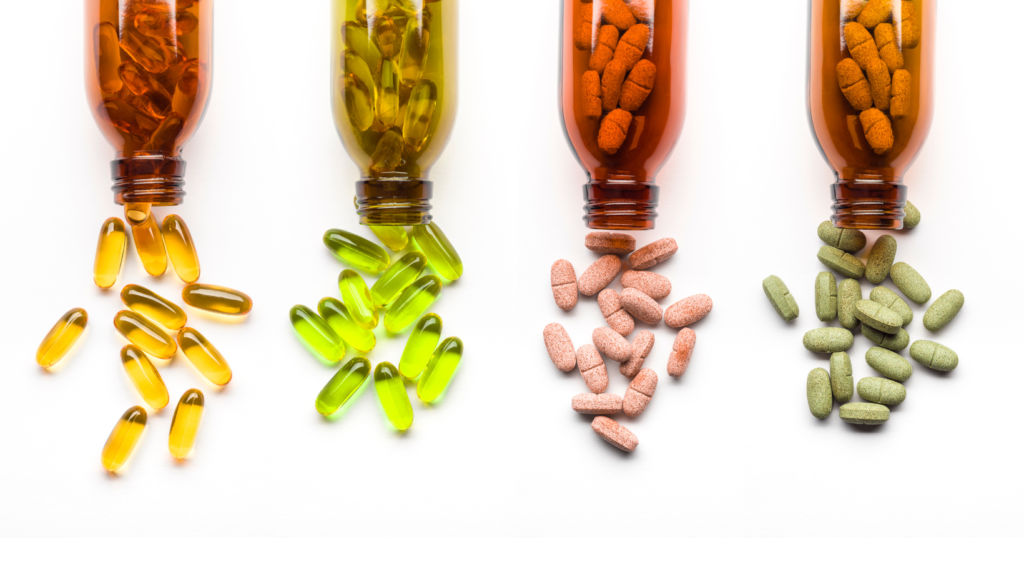
Since childhood, we have often been advised by our parents and teachers about the significance of consuming vitamins, and this advice is not unfounded.Micronutrients known as vitamins play a critical role in maintaining optimal bodily functions. However, it can be challenging to determine which vitamins are necessary to maintain optimal health on a daily basis. Individual requirements for vitamins are influenced by factors such as age, gender, genetic makeup, lifestyle, and other variables. Nevertheless, some vitamins can benefit nearly everyone when consumed daily. This guide aims to shed light on the specific nutrients that should be included in daily dietary intake, the recommended daily dosage for each vitamin, and their respective health benefits.
Vitamin A
One of the most important vitamins for human health is vitamin A, which is a fat-soluble nutrient. It is vital to ensure that one consumes the appropriate daily amount of this vitamin, as it supports a wide range of bodily functions.
Vitamin A plays a significant role in the immune system’s proper functioning, as well as maintaining healthy eyesight, facilitating cellular communication, promoting development and reproduction, and supporting cell differentiation. It is essential to prioritize the regular consumption of vitamin A-rich foods or supplements in order to meet the body’s daily requirements.
The recommended dietary allowance (RDA) for vitamin A intake is 900mcg for males and 700mcg for females aged 14 years and above. Vitamin A supplements or daily multivitamins typically contain at least the RDA for this nutrient.
Alternatively, vitamin A can also be sourced from a variety of foods. These include sweet potatoes, spinach, carrots, beef liver, mangos, and herring, among others. It is crucial to ensure that vitamin A intake is monitored closely, as excessive consumption of this vitamin can lead to toxicity, which can be harmful to one’s health.
Vitamin B6
One of the vital members of the B-vitamin family is vitamin B6, which refers to a group of six organic compounds that are considered essential for human health [4]. The body relies on B6 for a variety of functions, and including it in one’s daily vitamin regimen is crucial.
Vitamin B6 plays a critical role in the formation of over 100 enzymes, which are responsible for numerous physiological processes within the body. It is involved in breaking down proteins, regulating blood sugar levels, producing antibodies, and creating hemoglobin, which is the component of red blood cells responsible for carrying oxygen to tissues.
The recommended daily allowance (RDA) of vitamin B6 varies according to age and sex, with the Office of Dietary Supplements suggesting the following guidelines:
- 1.3 mg for males and 1.2 mg for females aged 14–18;
- 1.3 mg for males and females aged 19–50; and
- 1.7 mg for males and 1.5 mg for females aged 51 and above.
- It is important to note that pregnant or lactating individuals may require an increased intake of B6, with the RDA increasing to 1.9 mg and 2.0 mg, respectively.
Vitamin B6 can be consumed through vitamin supplements, as a part of a daily multivitamin, or through various foods. Some of the foods that are high in vitamin B6 include chickpeas, yellowfin tuna, sockeye salmon, chicken, turkey, beef liver, and potatoes. It is critical to ensure that vitamin B6 intake is balanced as excessive consumption of this vitamin can lead to toxicity, which can cause adverse health effects.
Vitamin B9
Vitamin B9 or Folate supports the healthy metabolism and immune system of the body by contributing to regular cell growth and function. It is necessary for the production of red blood cells, the metabolism of amino acids, and the synthesis of DNA, RNA, and other genetic materials. Folate is available in two forms, natural folate, and synthetic folic acid.
To achieve the appropriate daily intake of 400mcg of dietary folate equivalents (DFEs) per day, you will need more folate than folic acid, as these two forms are not absorbed by the body in the same way. Many people consume less than the daily recommended amount of folate, so it is crucial to ensure you have enough by either taking it in a multivitamin or eating more foods such as broccoli, spinach, lettuce, eggs, milk, fortified grains, and breakfast cereals.
Pregnant and lactating individuals are recommended to consume more folate, as it plays a vital role in fetal nervous system development.
Vitamin C
Vitamin C, also known as L-ascorbic acid, is a water-soluble vitamin that provides several health benefits and is essential for everyday consumption. Vitamin C acts as an antioxidant that protects cells from free radical damage and helps to produce collagen, which is essential for healthy skin, bones, and cartilage. It also boosts the immune system and improves iron absorption in the body. The recommended dietary allowance (RDA) for vitamin C varies according to age and sex. The Office of Dietary Supplements recommends 75 mg for males and 65 mg for females aged 14-18, and 90 mg for males and 75 mg for females aged 19 and up. Individuals who are pregnant, lactating, or regular smokers may require additional vitamin C.
Since the human body cannot synthesize vitamin C, it must be ingested through our diet or vitamin supplements.Foods rich in vitamin C include bell peppers, citrus fruits such as oranges and grapefruits, kiwis, broccoli, and Brussels sprouts. Consuming vitamin C-rich foods every day can help maintain adequate vitamin C levels in the body and support optimal health.
Vitamin D
Vitamin D is an essential nutrient that plays a vital role in various biological processes and structures in the body. It is a fat-soluble vitamin that helps maintain bone health, muscle function, nervous system, and immune system.
The recommended daily allowances (RDAs) for vitamin D remain relatively constant across different age groups, with 15 mcg/day for ages 14-70 and 20 mcg/day after 70.
Unlike most vitamins, vitamin D can be synthesized by the body through sunlight exposure. Nonetheless, obtaining adequate vitamin D through diet and supplementation is also essential. Foods rich in vitamin D include fish (trout, salmon, sardines, and tuna), mushrooms, fortified foods (cereals, milk, and milk alternatives), cheese, and eggs. However, plant-based sources are limited, and individuals following a vegan or vegetarian diet, especially those living in regions with limited sunlight exposure, may require a vitamin D supplement.
Vitamin E
Vitamin E, consisting of eight chemical forms, is an essential nutrient that acts as an antioxidant, supports the immune system, and widens blood vessels to prevent blood clots. Additionally, it is involved in various metabolic processes and cell signaling. Therefore, it is crucial to ensure an adequate daily intake of vitamin E.
For those over 14 years old, the recommended daily dosage is 15 mg.
Various foods are fortified with vitamin E, and there are several other common dietary sources of the nutrient besides multivitamins, such as almonds, sunflower seeds, hazelnuts, peanut butter, broccoli, kiwis, tomatoes, and oils such as sunflower, safflower, and corn oil.
Iron
Iron is a vital nutrient essential for overall health, playing a pivotal role in cardiovascular health by producing hemoglobin and myoglobin, which transport oxygen throughout the body. Iron is also involved in neurological development, growth, and hormone production.
The daily iron requirements vary based on age and sex, as follows:
- for individuals aged 14-18, 11 mg for males and 15 mg for females;
- for those aged 19-50, 8 mg for males and 18 mg for females; and
- for those aged 51 and above, 8 mg for both males and females.
- Pregnant women require nearly double the amount, at 27 mg/day.
While iron is not a vitamin, it is an essential nutrient that must be obtained through the diet or supplements. Iron is primarily found in animal-based sources, and thus, vegans and vegetarians may need to take iron supplements or multivitamins to meet their daily iron requirements. Good dietary sources of iron include oysters, fortified cereals, beans, lentils, chickpeas, beef liver, spinach, tofu, and sardines.
Zinc
Although zinc is classified as a mineral rather than a vitamin, it is often included in multivitamins due to its remarkable health benefits. Zinc plays a crucial role in maintaining a robust immune response, synthesizing proteins and DNA, and promoting wound healing. During the stages of prenatal development and adolescence, zinc is particularly crucial for healthy growth and development, as well as supporting the senses of taste and smell.
The recommended daily intake of zinc varies depending on age and sex.
- For those aged 14-18, the recommended daily allowance (RDA) is 11 mg for males and 9 mg for females.
- For those aged 19 and above, the RDA is 11 mg for males and 8 mg for females.
Zinc is present in multivitamins, as well as in many foods such as oysters, beef, cereals, pork, turkey, shrimp, pumpkin seeds, lentils, and cheese.
Final Thoughts
Vitamins and minerals are essential nutrients that our bodies require to function optimally. While we can obtain most of these nutrients through a balanced diet, there are circumstances where it may be necessary to supplement with vitamins or minerals to ensure we are meeting our daily requirements. It’s important to note that the recommended daily intake for these nutrients varies depending on age, sex, and specific health conditions. Consulting with a healthcare provider or a registered dietitian can help ensure that you are meeting your nutritional needs. By prioritizing our daily intake of vitamins and minerals, we can maintain good health and reduce the risk of chronic diseases.