
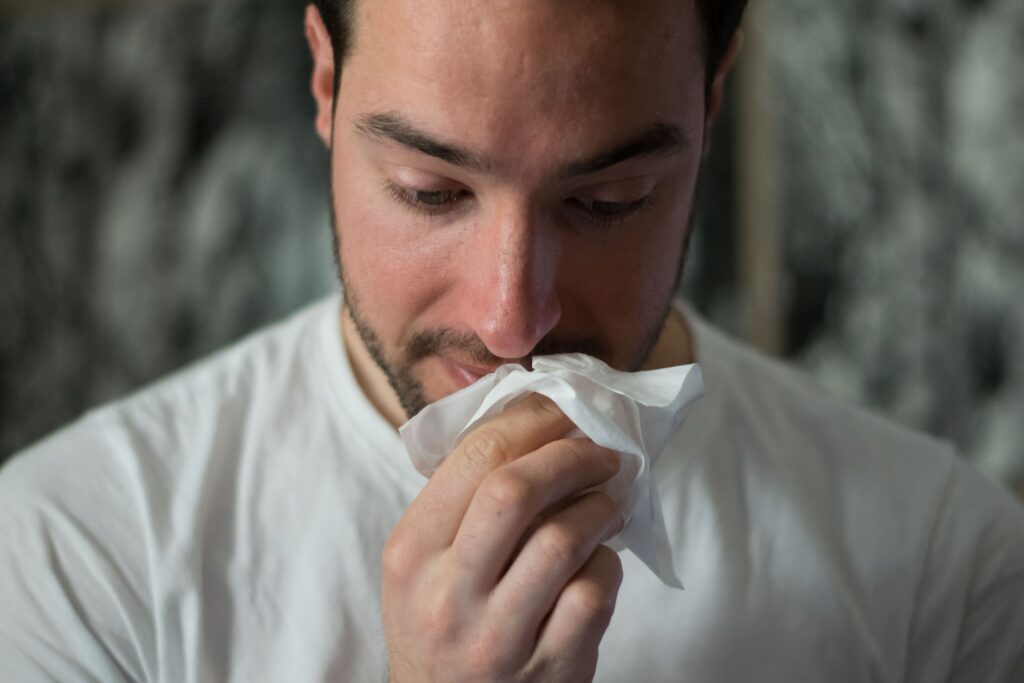
According to CBS News, the United States is currently facing a triple-demic of contagious respiratory illnesses, including influenza, COVID-19, and RSV (respiratory syncytial virus). Many hospitals are seeing a high number of cases for all three viruses. This flu season has been particularly severe, with the flu typically peaking in February. Dr. Scott Roberts, an infectious diseases specialist at Yale Medicine, attributes the increase in flu cases to a lack of immunity due to mask-wearing and other COVID-19 precautions that have prevented exposure to the virus for multiple seasons.
According to the Centers for Disease Control and Prevention (CDC), the United States had an estimated range of 20 million to 41 million flu cases, 210,000 to 450,000 flu-related hospitalizations, and 13,000 to 39,000 flu deaths between October 1 and December 24. It is difficult to accurately determine the exact number of flu cases, as flu is not a reportable disease and not everyone who gets sick with the flu seeks medical care or gets tested for it.
To protect yourself and your family from the flu, the Centers for Disease Control and Prevention (CDC) recommends getting a flu shot if you have not already done so. It is not too late to get vaccinated, as immunity takes about two weeks to develop after receiving the shot. In addition to getting a flu shot, you can also take the following actions to decrease your chances of getting the flu:
Being Inactive and Spending a Lot of Time Sitting or Lying Down
Staying inactive, particularly when the weather is unpleasant and you just want to curl up on the couch, can have a detrimental impact on our overall health and well-being. By avoiding physical activity, we put ourselves at risk for developing various chronic health conditions, including but not limited to cardiovascular disease, cancer, and diabetes. Additionally, being sedentary can also increase our vulnerability to respiratory infections like the flu.
Fortunately, incorporating physical activity into our daily routine can help reduce this risk. A 2014 study conducted by the London School of Hygiene & Tropical Medicine found that by engaging in at least 2.5 hours of vigorous exercise per week, individuals can lower their risk of getting the flu or similar illnesses by approximately 10%. This serves as a powerful reminder of the importance of staying active, even during inclement weather, in order to promote good health and reduce the risk of various illnesses.
Putting Your Hands on Your Face
The human body is equipped with several entry points, such as the nose, mouth, and eyes, which are vulnerable to respiratory infections like the flu. At the beginning of the COVID-19 pandemic, it was widely assumed that the virus could only be transmitted through contact with contaminated surfaces. However, further research and investigation have revealed that the primary mode of transmission for the COVID-19 virus is actually through the inhalation of droplets that are expelled into the atmosphere in the event an infected person speaks, sneezes/coughs.
On the other hand, the flu virus can be contracted in a variety of ways, including through contact with contaminated surfaces. This occurs when an individual touches a surface that has been contaminated with the flu virus and then touches their face, transferring the virus from the surface to their body. This highlights the importance of practicing good hygiene, such as frequently washing hands and avoiding touching one’s face, in order to reduce the risk of contracting respiratory infections like the flu.
Smoking
Smoking has been extensively documented as a major contributor to the development of chronic lung and systemic inflammation. This phenomenon can have a negative impact on the immune system, reducing its ability to fend off various illnesses, including the flu. This was recently demonstrated in a study published in the journal Pathogens in 2021. The study found that smoking has a detrimental effect on the lungs, causing them to become weakened and more susceptible to infections. This can result in a greater likelihood of catching the flu virus, especially if the individual is frequently exposed to it. It is important to note that the use of e-cigarettes may also have a similar impact on the immune system, potentially increasing the risk of infection and other related health problems.
Poor Quality Sleep
Not getting enough sleep or having poor quality sleep is believed to decrease the body’s ability to resist infections, including the flu. While getting enough sleep does not guarantee that you will not catch the flu, getting at least seven hours of sleep per night can help improve your resistance to colds, according to a 2015 study by the University of California San Francisco. Insufficient sleep can disrupt the body’s production of cytokines, which are important for the immune system to fight against infections, cancers, and other diseases.
Here are some tips and resources to help protect yourself and others from the flu and stop the spread of germs:
-
Avoid close contact with sick individuals
-
Stay home when you are sick
-
Cover your mouth and nose with a tissue when coughing or sneezing
-
Wash your hands frequently with soap and water, or use an alcohol-based hand rub if soap and water are not available
-
Avoid touching your eyes, nose, and mouth
-
Clean and disinfect surfaces and objects that may be contaminated with the flu virus
What If I Have A Sick Family Member?
To prevent the spread of illness within a family, it is important to limit contact with a sick individual. Here are a few steps you can adopt:
-
Assign a specific room in the house for the sick person to recover in and limit family interactions with them
-
If possible, use a separate bathroom for the sick person
-
Consider using video calls or other forms of remote communication while the person recovers
-
Disinfect frequently touched objects and surfaces regularly
-
Practice social distancing by staying home as much as possible and maintaining a distance of at least 3 to 6 feet from others.
Important: Get A Flu Shot
The most effective way to protect yourself and others from the flu is to get a flu shot, also known as a flu vaccine. The flu vaccine helps to protect against the viruses that are expected to be most common during the flu season. Each shot typically provides protection against three or four different viruses. The CDC recommends getting a flu shot in September or October, but getting vaccinated at any time during the flu season can still be beneficial.
The CDC also recommends that everyone over the age of 6 months get a flu vaccination every year. The appropriate type of vaccine may vary based on a person’s age, health status, and pregnancy status. However, babies under 6 months of age and people with severe allergies to any component of the vaccine should not receive a flu shot.
There are steps that you can take to prepare for cold and flu season and reduce your risk of getting sick. These include getting a flu vaccine every year and practicing good hygiene. Making lifestyle and dietary changes, such as exercising regularly, increasing your intake of zinc and fiber, and quitting smoking, can also help to reduce your chances of becoming ill.