
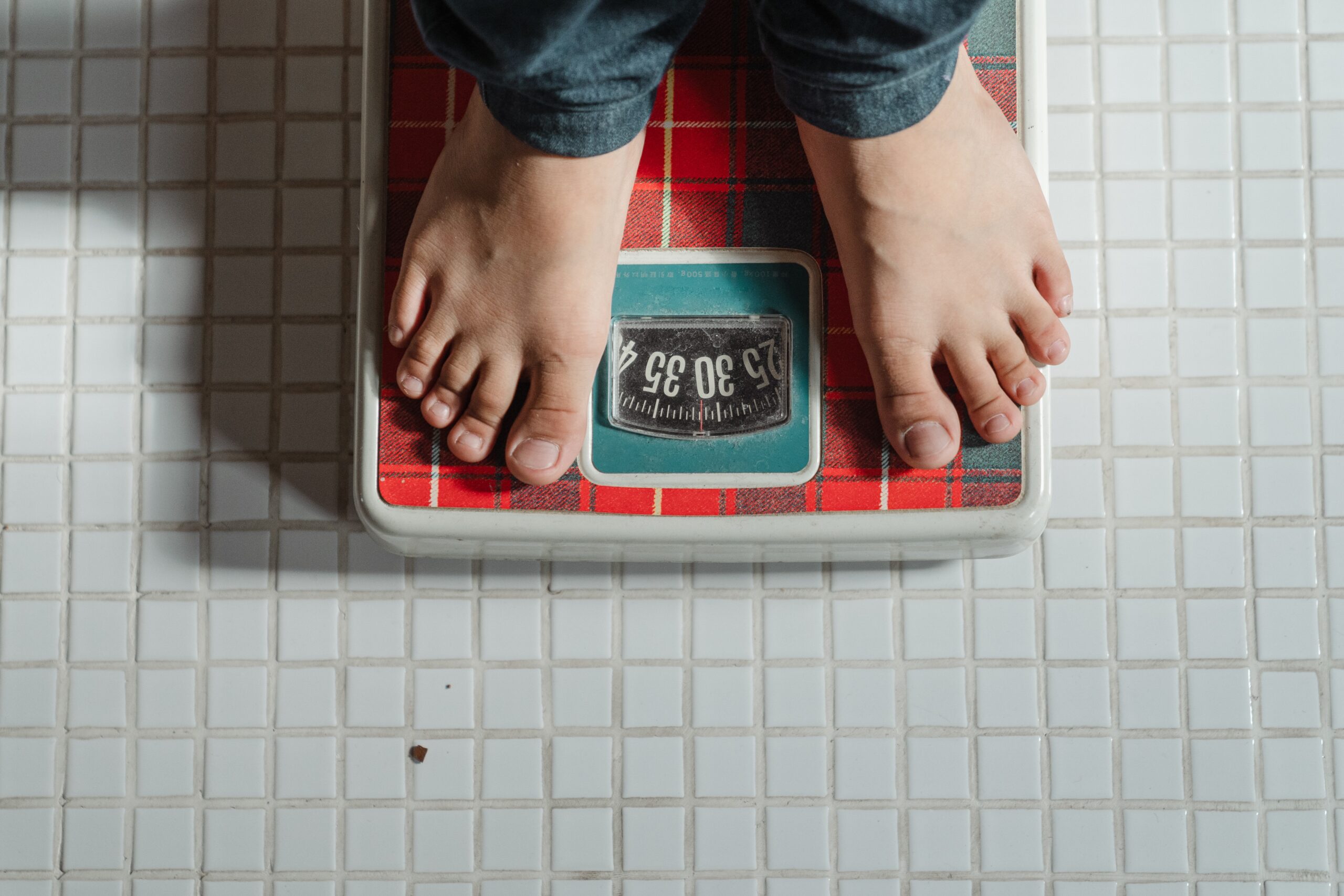
Are you feeling disheartened because your diet isn’t yielding the results that you have worked so hard for? You’re not alone! Often, it is small mistakes made along the way that can be hindering your progress. Don’t let these tiny blunders stop you from achieving success – take control of your health and make adjustments to put yourself on track towards reaching those weight loss goals.
These are the four main reasons why you are not losing weight or getting that shape you want no matter how hard you try:
You Are Not In A Calorie Deficit
Many people seeking to shed weight often make a change for the better by cutting out soda, alcohol, and fast food. Although this decision can lead to short-term success in terms of losing pounds, it isn’t sustainable because their body adjusts to the new baseline calorie intake. In other words, they may think that they are consuming fewer calories than usual when actually their metabolism has adjusted its energy expenditure accordingly. This unfortunate circumstance creates an equilibrium from which progress towards weight loss is impeded upon abruptly.
Your Pantry Is Stocked With Processed Food
If you’re trying to slim down yet eating plenty of sugary and processed carbs, it’s going to be tough—if not impossible. Each time you eat foods with high sugar or refined grains, your blood sugar levels skyrocket and insulin production kicks in; that sends all the glucose right into your fat storage instead of being burned as energy. To successfully lose weight, cutting out added sugars and processed foods is critical according to professionals.
Sugar-Free Food Is Not Usually The Answer To Lose Weight
It may seem hard to believe, but sugar-free and calorie-zero foods can be just as detrimental for your dieting goals as the full fat and sugary alternatives. These products such as dressings, spreads, syrups, and creamers contain plenty of calories derived from sugar alcohols that provide one to three calories per gram compared to four in carbohydrates. The serving sizes often list no numbers because companies are allowed to put zero on the label when they have under five calories per portion. The only issue here is the serving size, which is quite miniscule. So if you’re consuming a large quantity of sugar alcohols within one meal or across your day-to-day diet, you could soon be ingesting an extra 100+ calories daily!
You Don’t Consistently Stick With Your Routine
Establishing and adhering to an exercise regimen is a significant step. Yet, if you don’t remain consistent with your routine, you won’t witness the results that you desire. If attaining physical changes is what motivates you, then fully committing to diet and fitness must become habitual – yes even on weekends! Eating healthy from Monday through Friday will have its advantages yet without proper nutrition also taking place during Saturday & Sunday it may be difficult for one to reach their weight loss objectives in good time.
Keep in mind that changing your diet should be a lifestyle change. Achieving optimal wellbeing involves more than just the physical; sleep, stress management and a healthy circadian rhythm are all vitally important. Furthermore, mindfulness regarding what we eat, how much movement we do on a daily basis as well as regulating levels of exposure to sunlight can help us to reduce any hermetic stressors in our lives and support detox pathways. Mindset change is also key – connecting with community resources for spiritual fulfillment or positive outlets helps strengthen our overall resilience.
Final Thoughts
Uncovering your personal energy equilibrium is the key to achieving your health objectives, regardless of which diet you’re following and what kind of exercise regimen you practice. There are many factors that can impact it; any one or a combination thereof might be hindering your success. Take some time to reflect on each factor listed above – this could very well be the missing piece in unlocking your body and weight goals!