
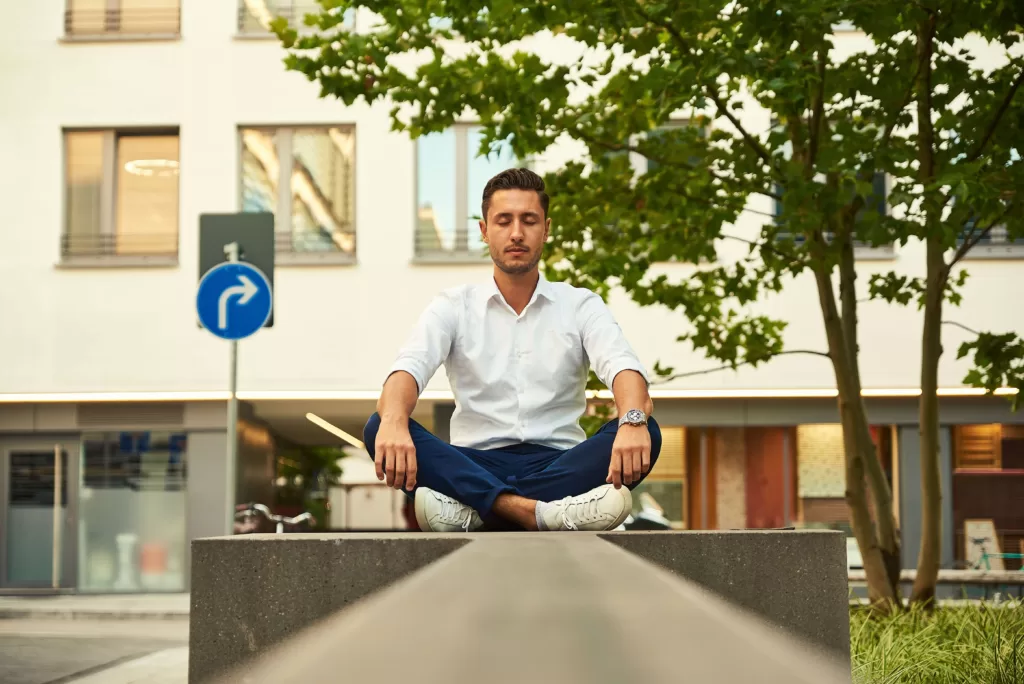
As a potent instrument for self-transformation and personal development, meditation, an age-old practice with origins in many spiritual traditions including Buddhism, Hinduism, and Taoism, has grown significantly in popularity in recent years. Meditation involves teaching the mind to concentrate and refocus attention, which enables people to achieve a state of intense relaxation, enhanced awareness, and inner peace. Even though meditation is frequently linked to stress relief and relaxation, its advantages go well beyond these, affecting our physical, mental, and spiritual health.
Deepening our spiritual connection is one of meditation’s transforming abilities. People can access their inner wisdom and communicate with their higher selves or spiritual dimensions by quieting their minds and focusing inside. The meditation technique enables us to transcend the ego’s limits and encounter a profound sense of connectivity with the divine or a higher force. People who regularly meditate might acquire a greater understanding of their life’s purpose, get new perspectives on their spiritual path, and feel a profound feeling of calm and fulfillment.
Along with its spiritual advantages, meditation is well known for its ability to lower stress and foster emotional wellbeing. Many people deal with anxiety, depression, and other stress-related problems in today’s fast-paced and stressful society. In the midst of the stress of daily life, meditation practice offers a haven of calm and peace. Meditation enables us to grow in self-awareness and emotional resilience by fostering present-moment awareness and non-judgmental observation of thoughts and feelings. It lessens the negative effects of stress on our mental and emotional health by assisting us in navigating the challenges of life with grace and composure.
As a potent instrument for self-transformation and personal development, meditation, an age-old practice with origins in many spiritual traditions including Buddhism, Hinduism, and Taoism, has grown significantly in popularity in recent years. Meditation involves teaching the mind to concentrate and refocus attention, which enables people to achieve a state of intense relaxation, enhanced awareness, and inner peace. Even though meditation is frequently linked to stress relief and relaxation, its advantages go well beyond these, affecting our physical, mental, and spiritual health.
Deepening our spiritual connection is one of meditation’s transforming abilities. People can access their inner wisdom and communicate with their higher selves or spiritual dimensions by quieting their minds and focusing inside. The meditation technique enables us to transcend the ego’s limits and encounter a profound sense of connectivity with the divine or a higher force. People who regularly meditate might acquire a greater understanding of their life’s purpose, get new perspectives on their spiritual path, and feel a profound feeling of calm and fulfillment.
Along with its spiritual advantages, meditation is well known for its ability to lower stress and foster emotional wellbeing. Many people deal with anxiety, depression, and other stress-related problems in today’s fast-paced and stressful society. In the midst of the stress of daily life, meditation practice offers a haven of calm and peace. Meditation enables us to grow in self-awareness and emotional resilience by fostering present-moment awareness and non-judgmental observation of thoughts and feelings. It lessens the negative effects of stress on our mental and emotional health by assisting us in navigating the challenges of life with grace and composure.
Additionally, meditation has a significant impact on our cognitive performance and mental clarity. People who regularly meditate get the capacity to focus their attention and learn to silence the mind’s incessant chatter. Our daily lives benefit from this improvement in mental focus and concentration since it makes it possible for us to be more present and involved in the tasks at hand. It has been demonstrated that regular meditation practice improves memory, problem-solving skills, and cognitive flexibility. Additionally, meditation improves our ability to maintain a balanced perspective by decreasing the ruminating and unfavorable thought patterns that frequently fuel stress and anxiety.
The advantages of meditation extend beyond the spheres of the mind and spirit to include the health and wellbeing of our bodies as well. According to scientific research, meditation can have a significant positive effect on the body by lowering heart rate, blood pressure, and immune system performance. Meditation causes a condition of inner peace and relaxation that sets off the body’s natural healing process, allowing cells and tissues to be repaired and rejuvenated. Additionally, regular meditation practice has been shown to reduce chronic pain, enhance the quality of sleep, and boost general physical vigor.
Understanding Meditation
Fundamentally, meditation is an exercise that teaches the mind to concentrate and divert its attention. It includes a variety of methods and techniques, such as transcendental, loving-kindness, and mindfulness meditation, among many others. Regardless of the particular method employed, meditation fosters present-moment awareness, inner stillness, and permits a closer connection with oneself and the environment.
Deepening Spiritual Connection
Long known as a means of achieving spiritual development and self-realization, meditation. People can access their inner wisdom and communicate with their higher selves or spiritual dimensions by quieting their minds and focusing inside. People who regularly meditate report feeling a strong sense of oneness with the divine or a higher force as well as a profound sense of unity and transcendence. This strengthened spiritual bond can offer direction, inspiration, and a profound feeling of meaning and purpose to life.
Reducing Stress and Promoting Emotional Well-being
One of meditation’s most well-known advantages is its capacity to lower stress and foster emotional health. Through meditation, people can learn to analyze their thoughts and feelings objectively, which helps them become more emotionally resilient and self-aware. Anxiety, sadness, and other problems linked to stress can all be helped by regular practice. A further way that meditation improves emotional well-being is by encouraging positive feelings like compassion, appreciation, and joy while minimizing negative emotions like wrath and fear.
Enhancing Mental Clarity and Cognitive Function
Cognitive performance and mental clarity are significantly impacted by meditation. Meditation enhances concentration, attention span, and cognitive flexibility by calming the mind and focusing the attention. It has been demonstrated that regular practice improves memory, creativity, and problem-solving skills. Additionally, meditation can help people get a more impartial viewpoint, lessen ruminating, and improve decision-making abilities.
Promoting Physical Health and Well-being
In addition to its psychological advantages, meditation promotes physical health and wellbeing. Studies have demonstrated that practicing meditation lowers blood pressure, slows the heartbeat, and strengthens the immune system. Additionally, regular practice can enhance sleep quality, reduce chronic pain, and promote general physical vigor. Meditation enables the body to repair and cure itself by fostering a state of tranquility and inner peace.
Integrating Meditation into Daily Life
It is crucial to incorporate meditation into daily life if you want to fully benefit from its transformational effect. Even for a short period of time each day, starting a regular meditation routine can have considerable advantages. Finding a meditation technique that works for you and setting intentions are important first steps in developing a practice that will last. The advantages of meditation can also be sustained throughout the day by integrating mindfulness into regular tasks and developing an attitude of present and non-judgment.
Exploring Different Meditation Techniques
There are many different meditation methods accessible, each with a special purpose and strategy. In order to develop a sense of present-moment awareness, mindfulness meditation entails observing thoughts, sensations, and emotions without passing judgment. The goal of loving-kindness meditation is to cultivate feelings of compassion and love for oneself and other people. Mantras are used in transcendental meditation to help the practitioner enter a deep level of relaxation and transcendence. Other methods include visualization, body scan meditation, and meditation that is breath-focused. People might discover the strategy that best appeals to them by investigating several methods.
Overcoming Challenges and Cultivating Consistency
It might be difficult to keep up a regular meditation routine, especially when one leads a hectic life. However, people can overcome these difficulties and develop a dependable practice by comprehending typical roadblocks like restlessness, distractions, and doubts. Effective methods for overcoming challenges and promoting consistency include creating a support network, getting advice from seasoned practitioners, and approaching meditation with a compassionate and nonjudgmental attitude.
Conclusion
Deepening our spiritual connection, lowering stress levels, and improving general wellbeing are all possible through meditation, which offers a transformative path of self-discovery and inner serenity. We may take advantage of meditation’s transformative powers by incorporating it into our daily lives, learning different methods, and overcoming obstacles. Adopting this practice enables people to develop inner balance, clarity, and a stronger sense of purpose, which results in a more rewarding and well-balanced life.